
Stepping out of the dental chair with a newly repaired tooth is a great feeling, but noticing a sudden flash of sensitivity when you take your first sip of cold water can be a bit surprising. If you are experiencing mild discomfort or temperature sensitivity after a recent procedure, rest assured that this is a completely normal part of the healing process. Your teeth are living organs with a complex network of nerves, and they require a little time to settle down after being treated. Understanding what triggers this temporary sensitivity can help you navigate your recovery with total peace of mind.
Why Dental Work Can Trigger Temporary Sensitivity
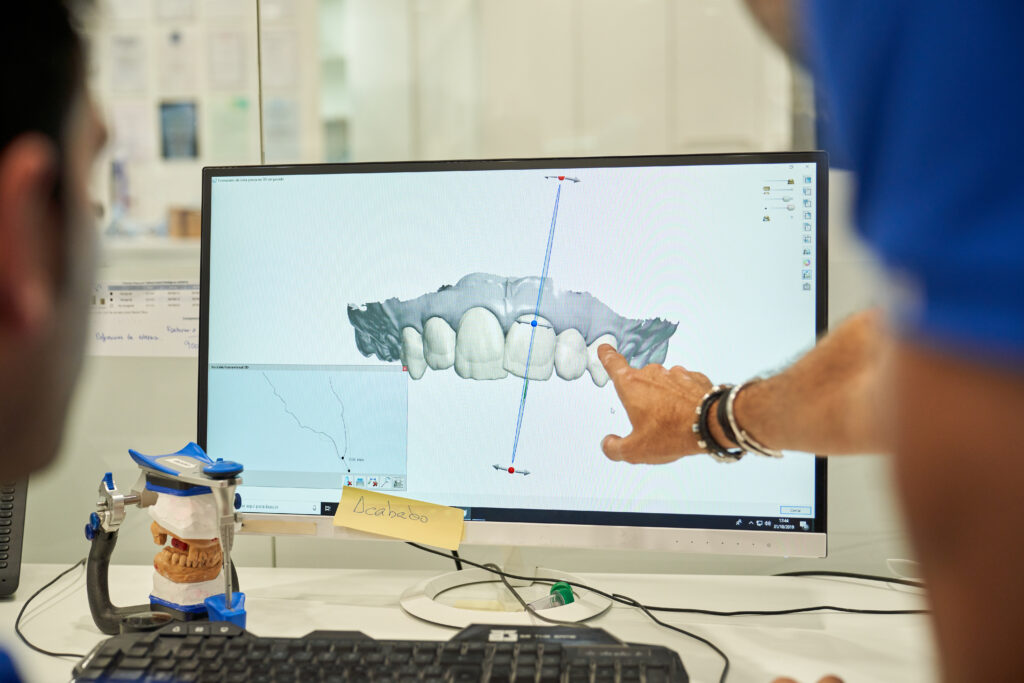
Even the most gentle and routine dental procedures involve a degree of manipulation that can temporarily affect the nerve deep inside the tooth.
- Nerve Agitation: When a cavity is cleared away or a tooth is shaped for a crown, the mechanical movement and the cooling water sprays can slightly agitate the inner dental pulp.
- Tissue Inflammation: The microscopic nerves inside your tooth can become temporarily inflamed as a natural response to treatment, much like a minor muscle ache after a workout.
- Altered Bite Alignment: Sometimes, a new filling or crown can sit just a fraction of a millimeter too high, causing the tooth to take on excess pressure when you chew and leading to localized bruising or sensitivity.
Common Types of Sensitivity to Expect
Post-procedure sensitivity can manifest in a few distinct ways depending on the type of work you received. Many patients experience a sharp, brief sensation when consuming hot coffee, iced beverages, or sweet treats. You might also notice a mild, dull ache when biting down on firmer foods. In most cases, this sensitivity peaks within the first few days following your appointment and naturally fades away over the course of one to two weeks as the tooth’s internal nerve fully adapts and heals.

Easy Ways to Manage Discomfort at Home
While your tooth is adjusting, there are several simple steps you can take to keep yourself completely comfortable. Try switching to a soft-bristled toothbrush and a specialized desensitizing toothpaste containing potassium nitrate, which effectively blocks the pathways leading to the tooth’s nerve. Avoid excessively hot or icy foods, opting for room-temperature meals for a few days instead. If your bite feels uneven or if the sensitivity persists past a few weeks without improvement, a quick, painless adjustment at our clinic can resolve the issue instantly.
At Heritage Dental, we want you to know that your smile is always in good hands! Our compassionate team is proud to provide family dentistry and comprehensive patient education to our friends and neighbours in Carleton Place, Ontario, as well as the surrounding communities of Smiths Falls, Perth, and Almonte. We are dedicated to ensuring that your routine dental treatments and restorative care are delivered in a warm, welcoming environment where you feel completely supported at every stage of your healing journey. If you have questions about your recent dental work or are ready to schedule a routine checkup, feel free to contact our friendly office today.