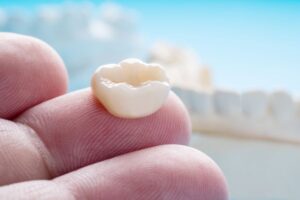
Children’s teeth face a variety of challenges as they grow, from developing brushing habits to enjoying snacks and treats. Even children who brush regularly can have difficulty cleaning the deep grooves on their back teeth, where food particles and bacteria may collect. Dental sealants offer an additional layer of protection for these vulnerable surfaces. For families in Carleton Place and Renfrew, understanding how sealants work can help make informed decisions about preventive dental care.
Why Are Back Teeth More Vulnerable to Cavities?
Molars do much of the work when chewing, but their surfaces are not always easy to clean. The small pits and grooves on these teeth can trap food and plaque in places that toothbrush bristles may struggle to reach. Children may be especially susceptible because their brushing technique and consistency are still developing. Although brushing with fluoride toothpaste and limiting frequent sugary snacks remain essential, some children may benefit from additional protection for these hard-to-clean areas.
What Are Dental Sealants?
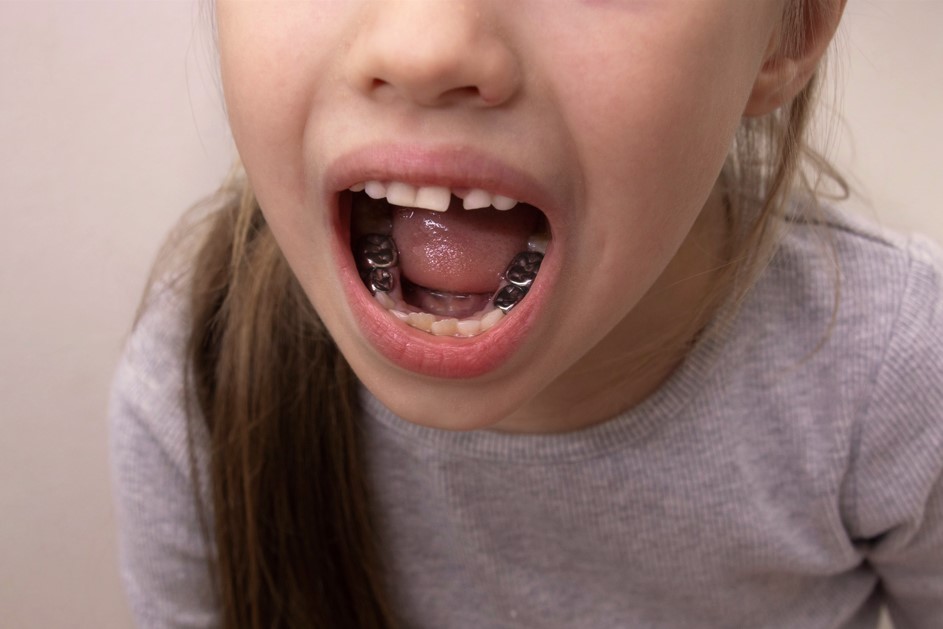
Dental sealants are thin protective coatings applied to the chewing surfaces of certain teeth, usually the back molars. The material flows into the grooves and creates a smoother surface that is easier to keep clean. Applying a sealant is generally a straightforward, non-invasive process that does not require removing healthy tooth structure. The tooth is prepared, the sealant is applied, and the material is hardened according to the product’s instructions. Your dentist can assess whether sealants are appropriate based on your child’s teeth and individual risk of cavities.
When Should Children Consider Dental Sealants?
Sealants are commonly considered when permanent molars come in, often around six years of age for the first permanent molars and around twelve for the second set. However, the right timing depends on the child’s dental development and oral health. In some situations, a dentist may also recommend sealing other teeth with deep grooves. Sealants are not a substitute for regular examinations, fluoride use, or daily brushing and flossing. Instead, they can form part of a broader prevention plan tailored to your child’s needs.

How Long Do Dental Sealants Last?
Dental sealants can protect teeth for several years, but they may wear down or become damaged over time. During routine dental visits, the dental team can check whether the sealants remain intact and recommend repair or replacement if needed. Children should continue brushing twice daily with fluoride toothpaste, cleaning between their teeth as appropriate, and attending regular dental appointments. Combining these habits with professional preventive care helps reduce cavity risk while supporting healthy development.
Ask About Preventive Care at Heritage Dental
Preventing cavities is easier when families understand the options available and establish healthy routines early. The team at Heritage Dental can assess your child’s teeth, discuss whether dental sealants may be beneficial, and recommend care suited to their stage of development. To learn more about preventive treatments, explore Heritage Dental’s general dentistry services or contact the team at the Carleton Place or Renfrew location.